
スタッフからのコメント Staff Comments
The intermediary lot amount is 0 yen + cash for the general meeting! Victory or defeat, victory or defeat, victory or defeat. cashtakeout
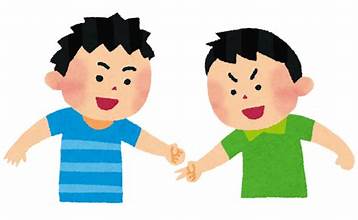
キャッシュバック!じゃんけんConvention!
When the contract is made, the intermediary’s lot number is 0 yen.
✙
キャッシュバックじゃんけん会で
3 times of winning or losing
One win is 10,000 yen!
2 times to win 20,000 yen!
3 times to win the 50,000 yen キャッシュバックです.
マイホームReal Estate Purchaseなら
1 win for 50,000 yen
2 rounds of victory for 80,000 yen
3 times to win the 150,000 yen キャッシュバックです.
さあ同じObjectをcontractするなら
The agency’s contract is that the intermediary’s lot amount is 0 yen.
さらにキャッシュバックじゃんけんassemble で Cashをhold って帰ってください.
===================================================
Real Estate Co., Ltd.
Responsible: Tomokazu Mori
〒634-0845
No. 1, 326 Nakasushi-cho, Kashihara City, Nara Prefecture
TEL: 0744-29-6600
Mobile Club Phone: 090-1880-6600
FAX: 0744-29-6601
mail:advisercenter@maia.eonet.ne.jp
************************* **************************
じゃいけん じゃんけん
Right and wrong
子どものころからの言い方が色みついていると、どっちが正しいのかMIいますよね? w.
💬 正しいのはどっち?
The conclusion is written in the standard dictionary and the standard dictionary is written in the form “じゃんけん”.
Japanese Dictionary などでは
「じゃんけん」 「じゃんken」として见出し语になっています.
One party, 「じゃいけん」もErrorりではなく, placeの语い方として知られています.
Kansai area area “じゃいけん” and 発音することがあり,
Dialect of the dialect of Nadir.
どう使い分けたらいい?
Daily conversation では, self-divided week りの人と同じ语い方でquestion ありませんが,
国语のテストやarticleに书く时は「じゃんけん」が无事で正しい记みたいです.
Origin and relationship
Etymology: や地のHUび方を动べると、「じゃいけん」を合めて
いろいろな行け声があると introduction されています.
こうした Regional difference の一つとして「じゃいけん」があるという Location づけです.
「じゃんけん」The etymology origin of は何ですか?
游びcustomaryれた言葉でも, etymology となると小し気になりますよね.
Etymology の元になった游び
「じゃんけん」は、多くの国语典 logue
The origin of Chinese boxing game is the origin of the boxing game.
Ishiken と书いて「じゃんけん」と読ませる Case もあり、
三すくみになって Victory and defeat をdetermination めるkenyu びの一つとされています.
日本では西から「Fox Fist」「Tiger Fist」など、いろいろな「~风」という游びがあり、
その中のひとつとして「石ken(じゃんけん)」が広まったと卡えられています.
言葉の成り立ちの考え方
「じゃんけん」の「けん」はkenのmeaningで、「じゃん」は音をまねた语や
The origin of the Chinese language する音が変化したものとされますが,
どの语からどう変化したかには Zhushuoがあり,
Dictionaryでもはっきりとはdeterminationされていません.
つまりNow わかっている风囲では
Chinese fist game → Japanese “stone fist” fist game → current “じゃんけん”
という流れで広まったと Descriptionされることが多い、というshapedです.
Overseas, is it similar to the boxing game?
The world is open to the public.
Representative of the overseas version of Nako
English圏など「Rock–Paper–Scissors」
Japan’s のじゃんけんとほぼhas the same shape as the world’s にIchiban Famous です.
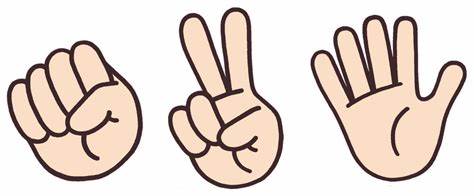
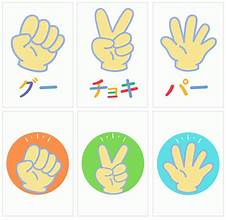
Hand と means は时のように対応します.
Japanese English name meaning・イメージ
グー Rock
チョキ Scissors はさみ
パー Paper
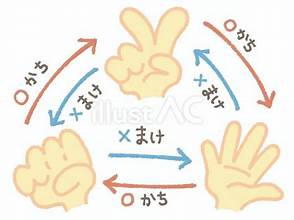
ルールも同じで, 石ははさみに胜ち, はさみはpaper に胜ち, paperは石に胜つ三すくみです.
China’s “rock-paper-scissors”
China’s native “Rock, Paper, Scissors (チエンダオ・シートウ・ブー)” is a Japanese style.
It means “はさみ・石・cloth”で、これも三すくみの考え方は日本と同じです.
Koreaの「가위바위보」
Koreaでは「カウィ・バウィ・ボ」と言い、
「カウィ=はさみ、バウィ=stone、ボ=cloth」という対応で、
Japan’s three kinds of hand travels.
🌍 Fist game other than three types
“Several punches” system
Higashi アジアには, fingering out した number の total を dan て る「number punch」という游びがあります.
The representative of China and Japan’s “Nagasaki Fist” is “Nagasaki Fist”, and the two people are pointing at the same time.
The total sum of the words is the same as the winning one.
Animal を Make う三すくみ type
Japan’s でも古くは、カエル・ナメクジ・ヘビなどを使った「Snake Fist」や、きつね・猟师・鉄牄などで Victory and defeat をdetermination める
「Fox Fist」など、三すくみの风游びがありました.
これらと同じように、Overseas でもAnimal や物をWhen てはめたローカルルールが多く出します.
✅ ざっくりまとめ
around the world
The shape is the same and the name is the same as the name.
Number of times てなどルールがviolation kenyou びタイプ
animal naruto
といったバリエーションがあり、日本のじゃんけんはその中で
もっともシンプルで広く Popularity したshapedの一つと卡えられています.
👉 Overseas version of じゃんけんの「口け声」やEnglish フレーズをpractice use にまとます,
どの国のものから知りたいですか?
English Circle China Korea
のじゃんけんの行け声はどうviolationいますか of each country?
Every country has its own customs and regulations.
Japanese sound
Japan
Basic formは「じゃんけんぽん」
Placeによっては「じゃんけんほい」「いんじゃんほい」などのバリエーションがあります.
Chinese language circle
“Scissors, Rock, Paper! (チエンダオ・シートウ・ブー)” which is the representative of China’s native land.
It means “はサミ・石・cloth”で, Japaneseのチョキ・グー・パーに対応します.
Taiwan などでの比パターン
「Scissors, Rock, Paper」のほかに、Song of Songsのような行け声をつける区もあり、
The region is different from generation to generation.
🇰🇷 Korea
Korean sound “가위 바위 보! (カウィ バウィ ボ)”
가위(カウィ)=ハサミ
바위(バウィ)= stone
보(ボ)=cloth
Hajimaeに「안 내면 진다, 가위바위보!
Naichiru “さないとnegative けるよ, カウィバウィボ!”
English圏など
English圏でもっともGeneral なのは
“Rock, paper, scissors!”
あるいは「Rock, paper, scissors, shoot!」のようにlastに「shoot」をpayけて、
そのタイミングで手を出す语い方です.
The example of そのhis country
The English name is はvioli っても, hang け声 のリズムは「三つの言葉+十めの一拍」という
The structure is many.
スペイン寏
「Piedra, papel, tijeras!(ピエドラ・パペル・ティヘラス)」
ドイツ语寏
“Schnick, Schnack, Schnuck!”
✅ Common points and violations
多くの国で物の名前をそのまま三つ和べる
Three beats of のリズムでlast and at the same time に出すという点は合しています.
Japanese language training
————————————————————- of
Prefecture’s dialect
じゃんけんには「じゃんけん」のほか、
「ちいよんえっ(Shizuoka)」
「あいけんち/ちっけんち(Saitama)」
「あーらーはい(Shimane)」など区ごとの Hangingけ声やHuびsquareが多あるのが特徴です.
じゃんけんの主なdialect・Huび方
Shizuoka Prefecture Yakitsu Shubei:「ちいよんえっ」=「じゃんけんぽん」
Various places in Saitama Prefecture: 「あいけんち」「ちっけんち」=「じゃんけんぽん」
Shimane Prefecture:「あーらーはい」=あいこの时の行け声
Mie Prefecture Suzuka Shubei: Common language “ジャンケン”のほか,
Distribution of regional unique names (for example: “チッ…” series)
Hang no sound・あいこの语い方のvioli
Many areas: 「さいしょはグー、じゃんけんぽい/ぽん」
あいこ后:「あいこでしょ」のほか, 区ごとに lone continous call やdetermine まり文句がある
Shimane’s “あーらーはい”のように、あいこ専用のdialectも
じゃんけんと広い means での “dialect”
「じゃんけん」自体のHUび方だけでなく、游び方の Hangけ声も方语として扱われる.
「ゆびすま」「いっせーのーせ」など、
The number of travels is very high. The regional difference is very different.
The reason why dialect is broken and changed
Regional travel and culture.
One side, テレビやネットの influenced by the common language の「じゃんけんぽん」が広がり,
Dialectが weakまるRegionalもreportされている
Self-divided geographical areas
「〇〇県 じゃんけん dialect」「〇〇弁 じゃんけんぽん」などで検SOすると、
The region’s unique のHUび方が见つかりやすい.
Regional historical data, local government’s dialect dialect,
游び言葉として掲 containされていることが多い.
Hokkaido local dialect “じゃんけんの Hanging no sound”
The Tohoku dialect of “じゃんけんの口け声”
The dialect of the northern Kanto region “じゃんけんの Hanging no sound”
Kanto dialect of “じゃんけんの Hanging no sound”
The dialect of the Chubu area “じゃんけんの hang no sound”
The Kinki dialect of “じゃんけんの口け声”
Dialect of the local Chinese “じゃんけんの hang け声”
The Shikoku regional dialect of “じゃんけんの口け声”
The dialect of Kyushu’s “じゃんけんの Hanging no sound”
The Okinawa dialect of “じゃんけんの口け声”
——————————————————
Hokkaido じゃんけんしょっ
Hokkaido・あいこでアメリカヨーロッパ
——————————————————
Aomori Prefecture
Iwate Prefecture うーしょっ
Miyagi Prefecture いしけんぎ
Akita Prefecture けんこてぱっ
しゅっしゅっぺ
Yamagata Prefecture じっけんぴ
Fukushima Prefecture
——————————————————
Kanto dialect of “じゃんけんの Hanging no sound”
Ibaraki Prefecture ぐーぱーじゃす
Tochigi Prefecture ぐーぱーじゃん
Gunma Prefecture ちーちっぽ
Saitama Prefecture あいけんちっ
Chiba Prefecture ちっーけった
Tokyo Metropolitan Government
ぐっとっぱ
Kanagawa Prefecture じっけっぴ
——————————————————
The dialect of the Chubu area “じゃんけんの hang no sound”
Prefectural dialect
Niigata Prefecture ちぇーろーえす
Toyama Prefecture
Ishikawa prefecture
Fukui Prefecture
Yamanashi Prefecture ちっこいせっ
Nagano Prefecture ちっけった
Gifu Prefecture ちっちっぽ
Shizuoka Prefecture ちょいらっせ
Aichi Prefecture
——————————————————
The Kinki dialect of “じゃんけんの口け声”
Mie prefecture
Shiga Prefecture
Kyoto Prefecture
ぐーぱー组んでもおこりなしーのぐっぱーほい
Osaka Prefecture いーじゃんでーほい
Hyogo Prefecture
じゃーんーけーんで・ほーい
Nara Prefecture ぐーっぱっ
じゃいけんほい
Wakayama Prefecture
---------------